Childhood Cancer in India
By Sabrcare Trust · Reviewed by the Sabrcare Research Team · 13 August 2026 · 8 min read
Every year, tens of thousands of children in India are diagnosed with cancer. With early recognition and the right care, most of them can survive it. This guide explains what childhood cancer is, the warning signs to look out for, how it is diagnosed and treated in India, and where your family can turn for support.
What is childhood cancer, and how common is it in India?
Childhood cancer means cancers found in children and teenagers, usually under the age of 15. Unlike most adult cancers, it is not linked to lifestyle or surroundings. Most childhood cancers start from a random change in a cell, not from anything a parent did or didn’t do.
India records an estimated 50,000–76,000 new childhood cancer cases every year, or roughly 150 children for every million people (Cuddles Foundation; Business Connect India). Leukaemia is the most common, making up about 30–40% of cases, followed by brain and spinal cord tumours and lymphomas (Indian Journal of Medical Research; Pediatric Oncologist Mumbai).
Even so, childhood cancer services in India are still found mainly in a few large hospitals in big cities. Families who live further away often face long, costly journeys just to confirm a diagnosis.
Early warning signs of cancer in children
Early signs of cancer in children often look like everyday illnesses: a cold that lingers, “growing pains” or a stubborn fever. That is why cancer is often found later than it should be. Knowing what is not typical is the first step.
See a doctor within the week if your child has:
- A fever with no clear cause that lasts more than a week
- Tiredness or paleness that doesn’t get better with rest
- Weight loss with no clear reason
- Bone or joint pain, especially if it wakes your child at night
- Bruising or bleeding easily, or tiny red or purple spots on the skin
- A painless lump or swelling anywhere on the body, including the tummy
- Frequent headaches with vomiting, or sudden changes in sight or balance
- A white or unusual reflection in your child’s eye in photographs
On their own, these signs usually do not mean cancer. But if a sign lasts more than one or two weeks, or several appear together, it is worth asking your doctor directly: “Could this be something more serious?”
Signs by type of cancer
The signs a child shows can point to which type of cancer may be involved:
- Leukaemia: tiredness, paleness, frequent infections, easy bruising, bone pain
- Brain and spinal cord tumours: morning headaches, vomiting without feeling sick, sudden clumsiness, changes in sight, seizures
- Lymphoma: painless swollen glands in the neck, armpit or groin, night sweats, fever with no clear cause
What causes childhood cancer?
Childhood cancers are rarely linked to lifestyle. Only a small number are caused by genetic changes passed down from a parent. Most come from random changes as a child’s cells grow and divide quickly in the early years. They happen by chance, not because of anything your child ate, breathed in or was exposed to (PMC).
Researchers are still studying possible contributing factors, such as high doses of radiation and a few rare inherited conditions. For most families, though, there is no cause that can be found, and nothing that could have been done to prevent it.
What is paediatric oncology, and how is cancer treated in India?
Paediatric oncology is the area of medicine that diagnoses and treats cancers and blood disorders in children and teenagers, usually up to the age of 20. Children’s cancers behave differently from adults’, so paediatric oncologists train specially in this field (Cleveland Clinic).
In India, treatment usually combines chemotherapy, surgery and radiotherapy. More advanced options, such as stem cell transplants, targeted therapy and immunotherapy, are increasingly available at specialist centres for some cancers. The Indian Pediatric Oncology Group (InPOG) is working to make treatment the same across the country, so a child’s chances don’t depend on which city they live in.
Survival rates: the gap between India and richer countries
With timely diagnosis and a full course of treatment, more than 80% of children with cancer now survive in high-income countries. In India and other developing countries, that figure is roughly 20–30% (The Indian Practitioner).
The difference is not about the disease itself. It is about access. Late diagnosis, stopping treatment because of cost or distance, and girls being brought for care less often all lower the chances for children who could otherwise be cured. This is the gap Sabrcare Trust exists to close.
Childhood Cancer Awareness Month: why Gold September matters
Every September, families, survivors and organisations around the world mark Childhood Cancer Awareness Month, also called “Gold September”. The gold ribbon stands for how precious and resilient children are (Alex’s Lemonade Stand Foundation).
In India the month matters even more. Around 76,000 children develop cancer here each year, and many also face poor nutrition, limited healthcare and money worries. Awareness campaigns help families recognise a sign early, before it is brushed aside one time too many.
How Sabrcare Trust supports children with cancer in Goa
Spotting a sign early only helps if a family can act on it. That is where our work in Goa comes in:
- Information: clear explanations of a diagnosis and what comes next, so parents can make decisions with confidence
- Emotional support: counselling and peer support for children and families throughout treatment
- Help with costs: support with diagnostic tests, treatment and medicines, so care doesn’t stop when money runs out
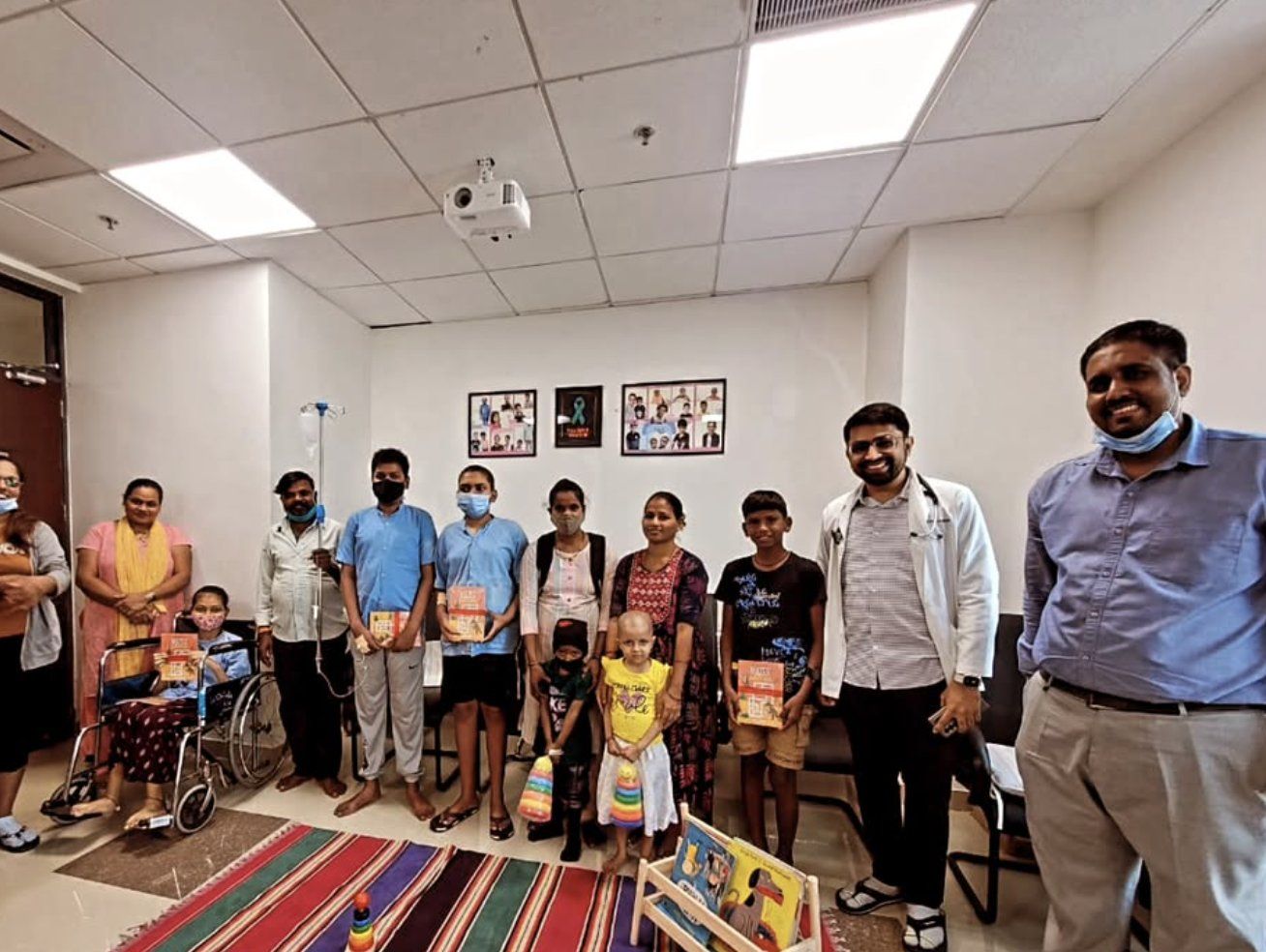
- In-hospital support: practical, caring help during hospital visits and long stretches of treatment
If you’re worried about a sign, or would like to help close India’s survival gap, reach out to our team. Every early conversation is one more chance at a full recovery.
Frequently asked questions
How common is childhood cancer in India?
India records an estimated 50,000–76,000 new childhood cancer cases every year, or roughly 150 for every million children.
What are the first signs of childhood cancer?
A fever that won’t go away, unexplained tiredness or paleness, bone pain, easy bruising and a painless lump are the most common early signs. If a sign lasts more than a week or two, see a doctor.
Can childhood cancer be prevented?
No. Childhood cancer is rarely linked to lifestyle, so there is no reliable way to prevent it. Finding it early is what makes the biggest difference.
This article is for information and is not medical advice. Sources: Indian Journal of Medical Research, The Lancet Regional Health – Southeast Asia, Cuddles Foundation, Alex’s Lemonade Stand Foundation, Cleveland Clinic, PMC, The Indian Practitioner, Business Connect India, Pediatric Oncologist Mumbai.