
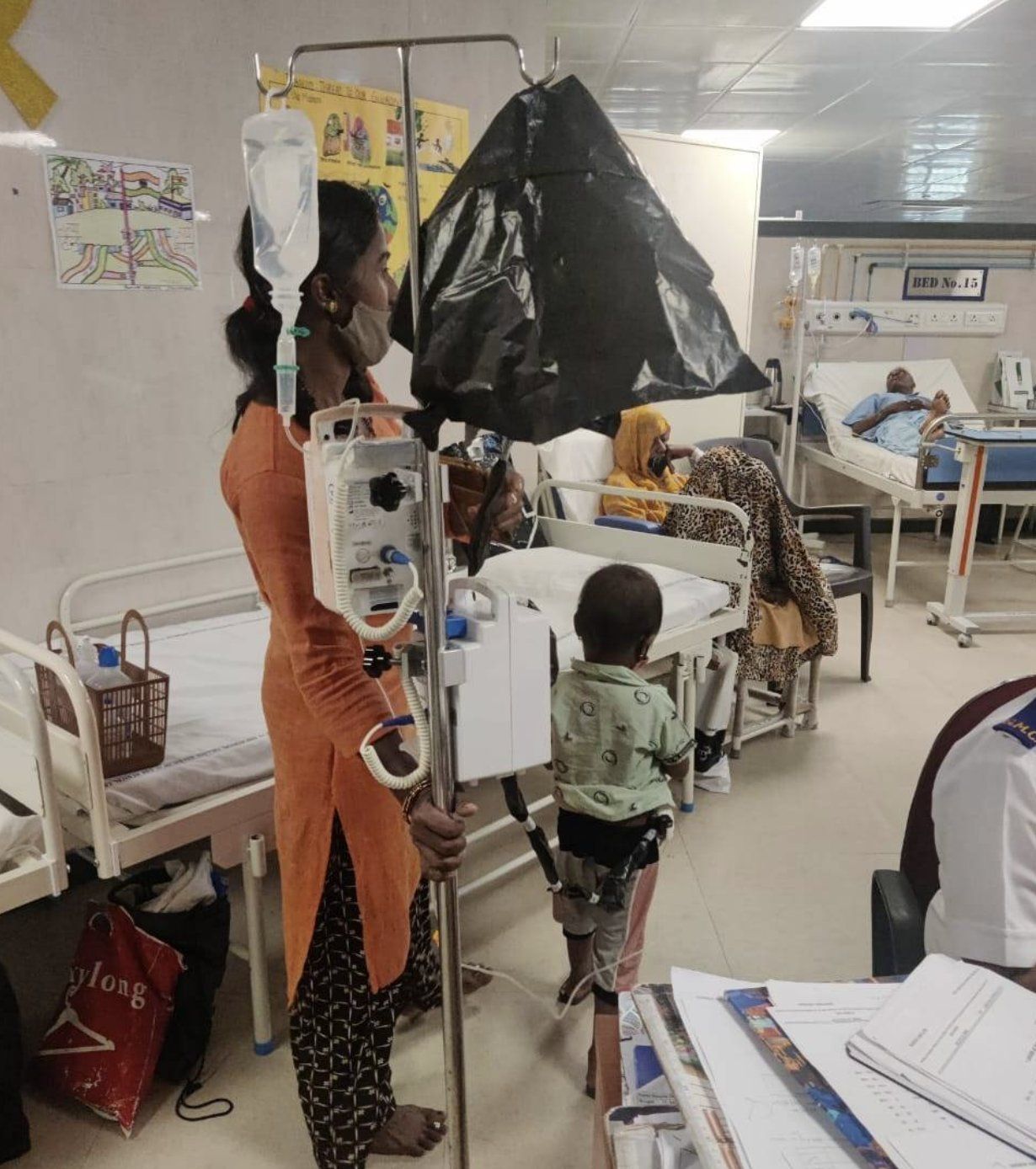
In-hospital care
Spending time in hospital can feel overwhelming, but it is an important part of many children’s cancer treatment. Whether your child is in hospital for surgery, chemotherapy or radiotherapy, knowing what to expect can make the experience less stressful and easier to manage.
During a hospital stay, you will get to know the daily routine, like meal times, visiting hours and rest periods. You will also meet the caring team of doctors, nurses and specialists who are there to support your child. You may hear about common procedures such as blood tests, scans or medicine given through a drip (IV).
See how we support families on the ward at GMC Bambolim →Preparing for treatment
Getting ready for treatment means understanding the plan, preparing practical things and looking after your feelings. Take it one step at a time.
Before the first session
What to ask your medical team, what to prepare, and how to get ready emotionally.
- Understand the basics. Ask your doctor to explain the treatment plan in simple words. What is the aim? How long will it last?
- Prepare your questions. Write them down before each appointment so you don’t forget anything.
- Keep documents together. Keep medical reports, prescriptions and contact numbers in one place that is easy to reach.
- Talk to your child. Explain what will happen in a gentle, calm way that suits their age. This can ease their worry.
- Plan for support. Ask family or friends who can help with other children, meals or travel.
What happens during treatment
Knowing what to expect during a session can help a great deal.
- Routine and setting. Ask about the usual schedule, who you will meet (doctors and nurses), and where treatment takes place, for example the children’s ward.
- Monitoring and comfort. Nurses will check your child’s temperature, pulse and breathing closely. Comfort items like warm blankets, toys or games are often available.
- Be with your child. If you can, stay with your child during treatment to comfort and reassure them.
- Ask questions. You can always ask a nurse or doctor about anything you don’t understand.
Managing side effects
Treatment can cause side effects, but many of them can be managed. Knowing what to expect and how to respond helps your child feel more comfortable.
- Know the common side effects. Your doctor will explain what to expect, such as feeling sick, tiredness or changes in appetite.
- Ask what helps. Talk about medicines and other ways to ease discomfort, such as certain foods or more rest.
- Keep a diary. Write down each side effect, when it happens and what helps. Share it with your medical team.
- Keep up fluids and food. Offer drinks often and small, frequent meals, as the doctors or dietitian advise.
Care at home between sessions
The time between treatments is important for recovery. Good care at home helps your child stay as strong as possible.
- Follow the instructions. Give medicines on time and follow the care plan from your medical team.
- Rest. Make sure your child gets plenty of rest.
- Prevent infection. Wash hands often, avoid crowded places and be careful about visitors who are unwell.
- Make home comforting. Favourite toys, books and gentle activities can help your child feel calm.
- Watch for changes. Notice any new symptoms or changes in how your child is.
When to call the doctor
Knowing when to get medical advice straight away keeps your child safe. Call your child’s treatment team at once if you notice:
Fever
A high temperature can be a serious sign of infection in a child having cancer treatment.
New or worse pain
Pain that is new, severe or has no clear cause should always be reported.
Severe vomiting or diarrhoea
These can quickly lead to dehydration.
Breathing difficulties
Any change in your child’s breathing needs attention straight away.
Unusual bleeding or bruising
Report any unexpected bleeding from the nose, gums or skin.
Very tired or weak
Tell the team if your child is unusually weak, sleepy or hard to wake.
In an emergency, go to the nearest hospital or call 108. Ask your child’s team now for the number to call day or night, and keep it on your emergency contact list.
Treatment checklists
Keeping track of everything during treatment can feel like a lot. These simple checklists help you stay organised, so you can focus on your child. Download them, print them, or save them on your phone.
You don’t have to face this alone
Our team at GMC Bambolim can walk you through treatment, help you prepare and answer your questions.
More in About Cancer
Reviewed by the Sabrcare Research Team · Last updated October 2026 · This information supports, and never replaces, advice from your own medical team.